
Youth mental health in Australia
Almost half of all Australians will experience a mental health issues in their lifetime.
Mental health is one of the biggest challenges of the 21st century.
Depression, anxiety and substance abuse disorders are the most common types of mental illnesses experienced by young Australians. These often occur in combination.
Mission Australia’s 2017 Youth Mental Health Report found that one in five young people (15-19years) met the criteria for serious mental illness. Unfortunately, 54% of people suffering a mental disorder do not get treatment.
This report shows that the top three issues of personal concern amongst young Australians are:
- Coping with stress
- School or study problems
- Depression
Mental illnesses most common among young Australians
- ADHD (7.4 %)1
- Anxiety disorders (6.9%)
- Major depressive disorder (2.8%)
- Conduct disorder (2.1%)
Facts about mental illness in Australia
The number of deaths by suicide in young Australians is the highest it has been in 10 years.
Suicide accounts for the deaths of more young people than car accidents and skin cancer.
Every day at least six Australians will die from suicide, and 30 more will attempt suicide. It is estimated that 65,300 people try to commit suicide each year.2
Mental Health is multilayered, and is determined by numerous factors. Substance abuse and mental health are often inter-related. While individuals turn to substance abuse as a coping mechanism for deeper issues, the effects of drugs and alcohol can be detrimental to one’s mental wellbeing,
Getting treatment is key to recovery. 75% of people who receive treatment experience notable improvement3. It is important to break down the stigma of mental illness so that those impacted are not afraid to ask for help.
Read our summary of Mission Australia’s 2018 Youth Report to learn more about issues facing young people (15-19 years of age) in Australia today.
Where you can find help
Sir David Martin Foundation funds two youth drug and alcohol residential programs – Triple Care Farm rehabilitation program and Triple Care Farm withdrawal program (for 16-24 year olds).
For further support, contact:
Lifeline: 13 11 14
Kids Helpline: 1800 55 1800
Beyondblue: 1300 22 4636
Family Drug Support: 1300 368 186 (24/7 crisis support)
How you can help
Early intervention is key. Our funded youth programs at Triple Care Farm provide support for young people at a critical age. With the right support at the right time, young people have a better chance at breaking the cycle of issues like addiction and homelessness before it is too late. Click here to show your support and help save a young life today.
1https://www.health.gov.au/internet/main/publishing.nsf/Content/9DA8CA21306FE6EDCA257E2700016945/%24File/child2.pdf
2National Mental Health Commission. (2013). A Contributing Life, the 2013 National Report Card on Mental Health and Suicide Prevention. NMHC, Sydney.
3Department of Health and Ageing. (2013). National Mental Health Report 2013: tracking progress of
There are more young homeless Australians than you might think
The most recent census shows nearly 60% of people experiencing homelessness in Australia are aged 34 years & under.
As well as rough sleepers (who make up 6% of the homeless population), homelessness includes those staying in overcrowded or inappropriate accommodation, sleeping in cars, or staying on couches.
This means that youth homelessness numbers are underestimated in most census data.
Homelessness is often hidden from your view
When people think of homelessness, they most likely picture a person sleeping rough on the street.
According to Mission Australia, couch surfing is often the first and most common way young people experience homelessness.
A 2016 Cost of Youth Homelessness in Australia Study reported 86 percent of homeless youth had couch surfed before age 18.
Homelessness is complex
Homelessness can be caused by a variety of factors, including:
- drug and alcohol abuse
- poor physical or mental health
- trauma
- domestic violence
- poverty
- unemployment
- lack of affordable housing
- gambling
- family and relationship breakdown
- physical and / or sexual abuse
Where you can find help
Sir David Martin Foundation funds two youth drug and alcohol residential programs – Triple Care Farm rehabilitation program and Triple Care Farm withdrawal program (for 16-24 year olds).
These are not specifically homeless relief services, however, over 30% of young people are homeless when they join the program. These are youth specific, holistic programs that help young people with substance addiction and mental health issues.
Contact Homelessness NSW for further support.
How you can help
Early intervention is key. Our funded youth programs provide support for young people at a critical age. With the right support at the right time, young people have a better chance at breaking the cycle of issues like addiction and homelessness before it is too late. Click here to show your support and help save a young life today.
For the young people who find themselves at David Martin Place (a youth drug and alcohol detox facility that helps 16-24 year olds to overcome addiction and lead healthy lives) they’re attempting to regaining control over their lives – to live a life worth living.
When a young person leaves the DMP program, the next stage determines their trajectory as they move forward in life. This is when the DMP Aftercare Program begins.
The Aftercare Program is aimed at reducing isolation, promoting independence, self-esteem, and building positive problem solving skills, by assisting young people with a smooth transition from detox to independence within the community.
But what does that all really mean?
The Aftercare Worker, of whom I am one, positions themselves as a reliable, consistent and flexible point of contact that the young people can access when they require support/assistance and during times of crisis or concern. This is done in a non-judgemental way that encourages young people to fulfil their goals and commitments through role modelling behaviours and advocacy.
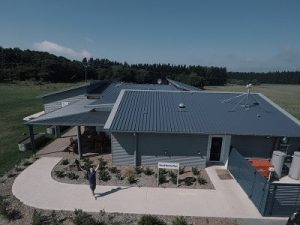
I consider the Aftercare program an opportunity. Take a quick moment to think back to a time where, as a young person, you needed help but no one was there to help you. Our aim is to change that experience. Aftercare is about being THAT person. To help the young people move forward with their lives.
The DMP Aftercare program is about providing an individually tailored approach to the young person’s needs in taking ‘that next step’. The Aftercare plan is developed in partnership with the young person whilst they are participating in the detox program. It includes:
- Supporting the young person to transition out of DMP into AOD rehabilitation services, additional community services or return to the community
- Establishing appropriate support networks as a part of their ongoing treatment plan
- Addressing issues of safe, stable and suitable housing whilst reducing homelessness
- Referring to Counsellors in the community alongside AOD/SMART support groups
- Support to attend key legal / counselling / mental health appointments
- Accessing education, employment and volunteer opportunities
- Assistance is controlling State Fines and unsecured personal debts
- Advocacy in dealing with existing and new legal / court matters.
Ultimately, the Aftercare Worker is someone who will be there to answer the phone when a young person calls in a time of need i.e. “Can you help me with this?” or “I don’t know what to do, please help me.”
When we asked the question ‘What do you like most about Aftercare?’ the young people responded:
“My aftercare worker is the best and helped me looking after myself once I left.”
“I really felt that my welfare was not just my responsibility. Every need was met and I know I was helped at full capacity. My worker seemed to go above and beyond for me.”
“Todd is the best social worker and helps me through anything and everything with support through talking and helping me get rights for my daughter and looking out for me when I need it.”
“When I need help it’s always there.”
This ongoing support is essential to sustain long-term positive change and reducing the likelihood of relapse as the young person transitions back into the community or transitions into a residential AOD Rehabilitation.
Thanks to everyone who supports such an effective program. It is such a joy to see young lives transformed and to journey with them as they learn to flourish.
Todd Beddie
Aftercare Support Worker
David Martin Place
One of the students at the farm speaks these words on a video – you can watch it here on our YouTube channel. Her opening line, regarding life before the farm was:
‘It was dark for me and nothing was bright.’
Filling in a young person with colours is a powerful analogy and brings, to my mind, a work of art not yet finished, or a story ready to be continued in a previously undreamt of direction.
It also makes me think of the young people who come to the farm with spaces within, previously taken up by drug taking or dangerous self-injurious behaviour. At TCF these voids are filled by nurturing staff, by care and support, counselling and listening.
Also poured into the empty spaces are skills and certificates and a toolbox full of new coping strategies. Added and blended are self-belief and renewed self-esteem as a result of the increasing levels of education and training.
A young person going through the Triple Care Farm rehab program and learning how to manage their addiction and mental health is a work in progress. We should never underestimate the enormity of the challenge that addiction presents. No-one ever chooses to face addiction or the dark coloured world that it brings.
Thanks to your support and the dedication of the staff at TCF, young people can choose a different path and give themselves the opportunity to paint a picture they’d like to see themselves in.
A picture and a future filled with bright colours.
Anna Martin Beaumont