
Mental Health Month: Why Mental Health Support Matters For Young People

A young person does not need to be in crisis before their mental health deserves attention. Sometimes support starts with having someone listen. At other times, it may mean professional care, practical help or having somewhere safe to talk.
This Mental Health month, it is worth recognising that youth mental health support can take many forms. Making appropriate help easier to find can give young people more opportunities to be heard and stay connected to the parts of life that matter to them.
Why Youth Mental Health Support Matters
Youth mental health support can help young people access appropriate care, build supportive relationships and stay connected with education, work and their communities. The right support will vary for each young person and may include trusted adults, professional services, community programs or practical support.
Young people aged 12 to 24 may be studying, starting work, developing relationships, becoming more independent or thinking about their future.
These experiences do not automatically cause mental health challenges. They do show why mental health should be considered alongside the other parts of a young person’s life.
What Can Youth Mental Health Support Look Like?

There is no single form of support that suits every young person.
For some, talking to a parent, friend, teacher or another trusted adult may help. Others may choose to speak with a GP, psychologist, counsellor or youth worker. Schools, community organisations and specialist youth services can also play a role.
Not every young person will need professional treatment. What is appropriate depends on their circumstances, preferences and needs.
Listening Can Make A Difference
It can be difficult to know what to say when a young person talks about their mental health. Listening is a useful place to begin.
A trusted person can listen without judgement, take concerns seriously and ask what the young person needs. They can respect their perspective and encourage appropriate professional help where needed.
Speaking up is not always easy. A young person may worry about being judged, misunderstood or treated differently. Concerns about privacy and how others might respond can also affect their willingness to talk.
There can be practical barriers too. Cost, waiting times and the availability of services may affect access to care. Some young people may also be unsure where to go, what services are available or which type of support might be appropriate.
Listening does not mean having all the answers. It means giving a young person space to talk without immediately dismissing their concerns or making decisions for them.
Early Support Can Help
Recognising concerns and connecting with appropriate help early can provide an opportunity to address what a young person is experiencing before difficulties become more complex.
Early support does not guarantee a particular outcome. It may make it easier for a young person to understand their options, access appropriate care and stay connected with people they trust.
Young people should also have a voice in decisions about their wellbeing. What feels accessible or useful to one person may not feel the same to another.
Connection Is Part Of The Bigger Picture
Mental wellbeing does not exist separately from the rest of life.
Young people’s wellbeing can be influenced by their relationships, circumstances, community connections and access to appropriate support. Education, employment, housing and opportunities to participate can also form part of the wider picture.
A young person experiencing mental health challenges may also be a student, employee, friend, sibling, artist, athlete or volunteer. Their strengths, interests and goals still matter.
Martin Youth Foundation funds programs that support young people experiencing complex challenges and create opportunities for positive change.
One example is Youth Network, a structured aftercare program delivered by Mission Australia and funded by the Foundation.
Current Youth Network outcomes show that over half of young people experienced improved mental health outcomes.
Finding Reliable Mental Health Resources
Knowing where to look for reliable information can make the next step clearer.
The Foundation’s current youth mental health resources bring together established information and services for young people, families and carers. The mental health section includes headspace, Beyond Blue, ReachOut and SANE.
The page also includes urgent support options for people who need immediate help.
Looking for reliable information about youth mental health and wellbeing? The Foundation’s resources can help young people, families and communities find established services and further information.
Young People Should Have A Voice
Conversations about youth mental health should include young people themselves.
Their perspectives can help families, professionals and organisations understand what makes support accessible, what barriers they experience and what helps them feel heard.
This does not mean expecting young people to share personal experiences publicly. Privacy and choice matter.
It means listening when they do speak and respecting their involvement in decisions about their health, wellbeing and future.
Reducing Stigma Around Mental Health
Language and attitudes can influence how comfortable a young person feels discussing mental health.
Labels and assumptions can reduce someone to a challenge they are experiencing. Respectful conversations leave room for their strengths, relationships, interests and goals.
Listening without judgement, respecting privacy and sharing reliable information can help create a more supportive environment.
Asking for help should not be treated as weakness. Speaking about something difficult can require courage, particularly when someone is unsure how others will respond.
What World Mental Health Day Can Remind Us
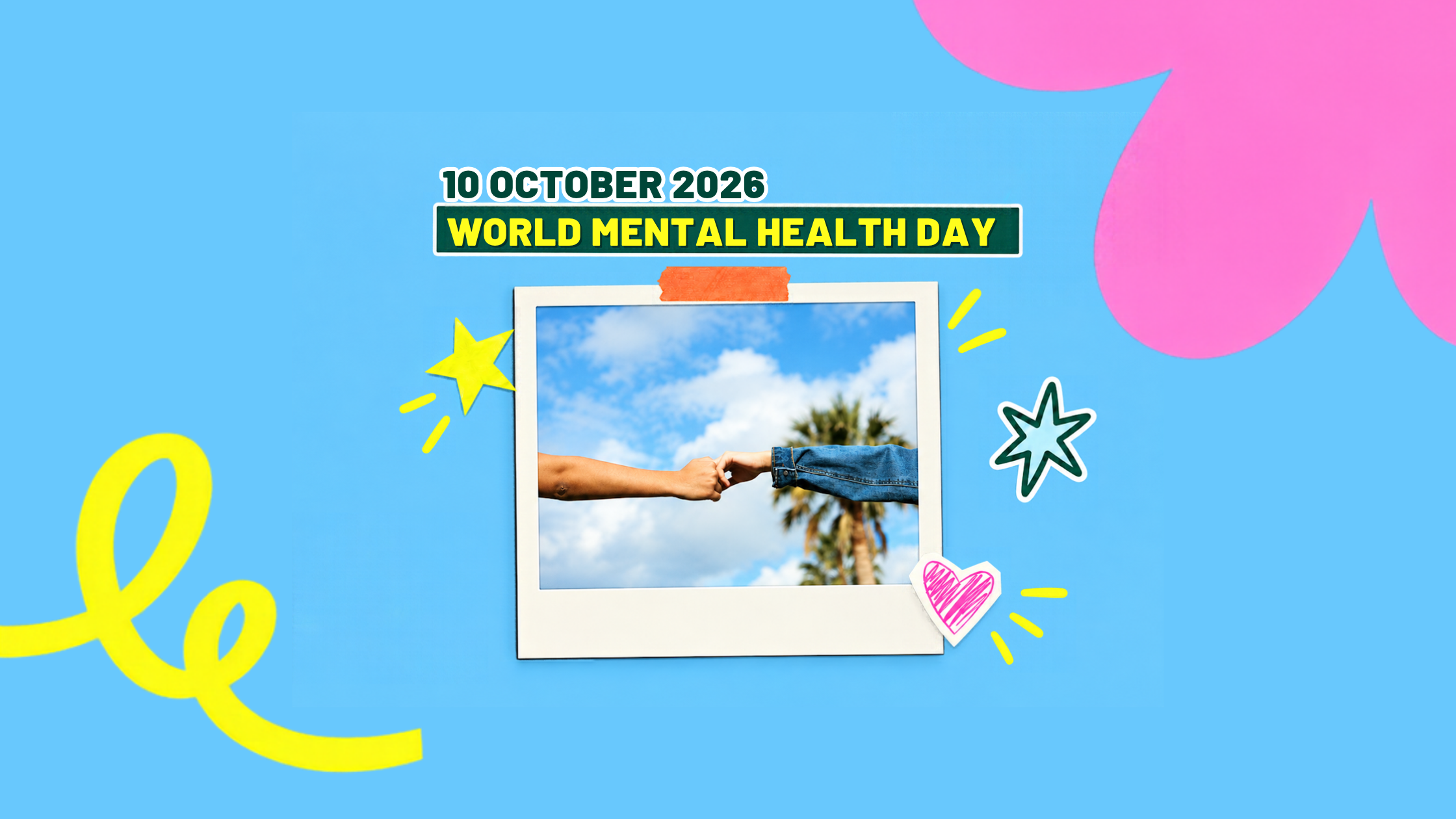
World Mental Health Day is observed on the 10th of October each year. It provides an opportunity to raise awareness of mental health and encourage conversations about access to appropriate care.
The theme for World Mental Health Day 2026 is “Lived experiences heard: real voices, real change.” It focuses attention on the value of lived experience and meaningful involvement in the services and decisions that affect people’s lives.
That idea is particularly relevant when discussing young people. Their perspectives can help us understand what makes support useful, what gets in the way and where change may be needed.
World Mental Health Day can be a prompt to listen more closely and make reliable support easier to find. It can also remind us to recognise young people’s strengths and potential alongside the challenges they may experience.
Frequently Asked Questions
What is World Mental Health Day?
World Mental Health Day is observed internationally on 10 October. It provides an opportunity to raise awareness and encourage conversations about mental health and access to appropriate care.
Why is youth mental health support important?
Appropriate support can give young people opportunities to discuss what they are experiencing, access care where needed and maintain important relationships and connections.
How can I support a young person experiencing mental health challenges?
Start by listening and taking their concerns seriously. Respect their perspective and help them explore appropriate professional care or reliable resources where needed.
Where can young people find mental health support?
The Foundation’s Useful Resources page includes trusted services such as headspace, Beyond Blue, ReachOut and SANE. It also provides urgent support options.
Does every young person need the same type of mental health support?
No. Appropriate support depends on the young person’s circumstances, preferences and needs. It may involve trusted people, professional services, community organisations or different forms of help over time.
Making Support Easier To Find
World Mental Health Day gives us a reason to talk about mental health, but listening and connection matter throughout the year.
Young people should be able to talk about their wellbeing without being defined by the challenges they experience. Listening, respecting their perspective and making reliable information easier to find can help create more supportive environments.
Explore the Foundation’s youth mental health support resources for trusted information, services and further support options.



Share this article

Other articles


Join our community
Subscribe to our newsletter for stories of impact, upcoming events, and ways to get involved.