
Youth Recovery Stories: What Young People Can Teach Us About Recovery


Teen recovery stories can show what change looks like beyond treatment alone. For a young person, recovery may involve rebuilding relationships, returning to education, finding work or simply becoming more confident about what comes next.
The experiences shared through Martin Youth Foundation show young people making their own choices and working towards goals that matter to them. They also show why appropriate care, trusted relationships and opportunities can matter throughout recovery.
What Can Young People Teach Us About Recovery?
Young people’s recovery journeys can take many different paths. For some, change may begin with asking for help, while others may first reconnect with family, education, work or their community. Real recovery stories show the importance of support, resilience and opportunity, while reminding us that every young person’s experience is different.
The Foundation’s young people’s stories put those experiences at the centre. They show young people taking steps towards the future they want, rather than defining them by alcohol and drug use.
Saige, Jake and Sasha each had different circumstances and goals. Looking at their experiences together gives us a broader picture of what recovery can involve.
Every Recovery Story is Different
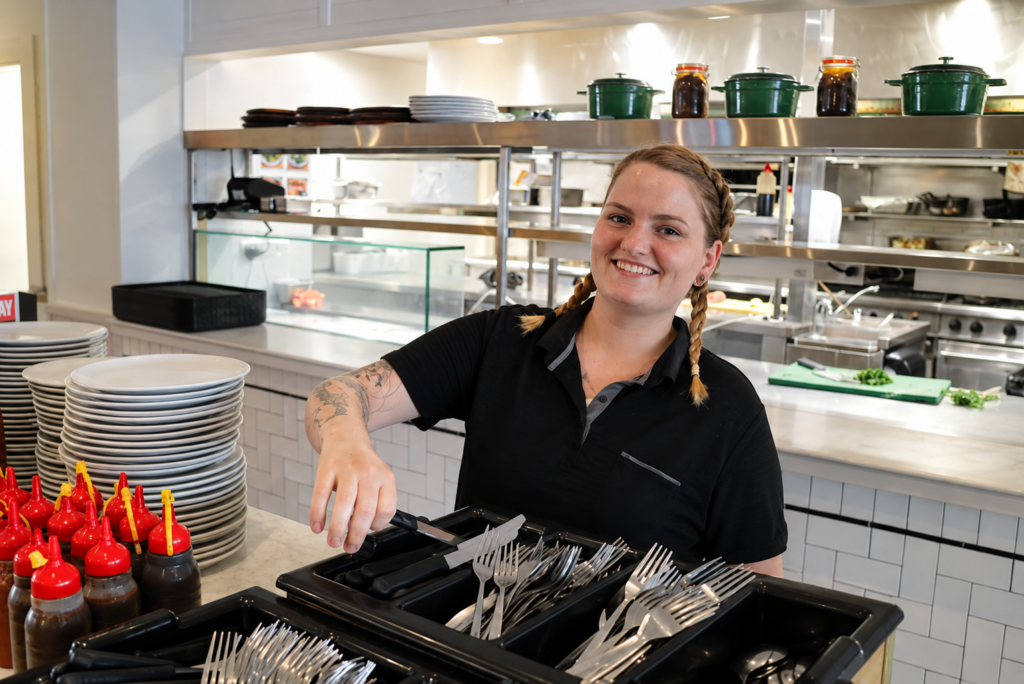
Saige’s path began much earlier than most people would expect. She started drinking as a young teenager, and within a few years was using ice daily, disconnected from school, without work and sleeping in a tent on the beach.
A frightening brush with police, after a drug deal went wrong, became the wake-up call that led her to start researching treatment options herself. Not long after, she found her way to Triple Care Farm.
At the Farm, Saige found non-judgmental support and a sense of community among other young people who understood what she was going through. She was paired with Linda, an aftercare worker, who helped her keep moving forward once she returned to the community. Finding a job came easily; the harder work, she says, was learning to trust herself and the world again.
Triple Care Farm is owned and operated by Mission Australia, with Martin Youth Foundation as its major philanthropic funder.

Sasha’s experience followed a different path. Her substance use had interrupted her animal care studies at TAFE. During residential rehabilitation at Triple Care Farm, her studies were deferred so she could return to them afterwards. With help from her Youth Network aftercare worker, she restarted her course and later secured a role at a wildlife and conservation zoo.
Recovery can therefore involve changes across several areas of a young person’s life:
|
One young person may… |
Another may… |
| Reconnect with family | Build new supportive relationships |
| Return to education | Move towards employment |
| Develop practical skills | Reconnect with personal interests |
| Access professional care | Take part in community activities |
| Establish healthier routines | Work towards personal goals |
What matters to one young person may not be the priority for another.
Asking for Help Can Be An Important StepReaching out can be difficult, particularly when a young person is worried about judgement or unsure what treatment will involve.
 Jake’s story gives us an example. He first tried marijuana at 14 and was using daily within a year. Over the next several years, his substance use grew more serious, and he tried rehabilitation more than once before he was ready to commit to the work involved fully. When he eventually reached Triple Care Farm’s Walawaani program, he says it “felt like home.”
His experience also shows why resilience should not be confused with managing everything alone or getting it right the first time. Recognising that help is needed, even after earlier attempts haven’t worked, can require real strength.
Trusted relationships can make that process easier. Depending on the young person, this might involve family, friends, youth workers, teachers, health professionals or specialist alcohol and drug services.
Recovery Can Involve Different Kinds of Support
Treatment may be one part of recovery, but young people’s goals often extend into other areas of their lives.
Sasha’s story shows this clearly. After residential treatment, her Youth Network aftercare worker helped her continue her studies and prepare for her move to Tasmania. The practical help described in her story included looking for housing, completing a driving program and connecting with local services and social groups.
This type of ongoing care is part of Youth Network aftercare, a program delivered by Mission Australia and funded by Martin Youth Foundation.
Current Youth Network outcomes show that 4 in 5 young people met or partially met their substance use recovery goals.
Source: reported outcomes across all Youth Network aftercare locations, 2022 to 2025.
These outcomes give us one measure of progress. The individual stories show what that progress can mean in everyday life.
Young people’s experiences matter. Explore the Foundation’s stories of change and recovery to hear about different journeys, the help young people received and the possibilities that can emerge through change.
Progress Does Not Always Look the Way We Expect
Some milestones are easy to recognise. Returning to school, completing a course or starting a new job can mark an important point in a young person’s recovery.
Other changes may be less visible. Asking for help, attending an appointment, rebuilding a relationship or developing a healthier routine can still move someone closer to their goals.
Sasha’s experience is a good example of how these areas can connect. Returning to TAFE was one step. Finding employment, preparing to move, working towards her provisional licence and developing connections in a new community were others.
There may also be difficult periods along the way. Recovery can involve progress, challenges and new beginnings. A difficult period does not erase the work a young person has already done.
What Can Young People’s Stories Teach Families and Communities?
For families and communities, these experiences can be a reminder to listen before making assumptions about what a young person needs.
A young person experiencing alcohol or drug dependence still has interests, abilities, relationships and plans for the future. Saige wanted to make her mum proud. Jake wanted to rebuild his relationship with his family and build a stable, everyday life. Sasha wanted to continue her animal care studies and pursue a career she cared about.
Listening without judgement can give young people more room to talk about what they need. Families can also help them explore appropriate professional care while respecting their involvement in decisions about their future.
Young people’s voices are especially valuable here. Their experiences can show us what mattered to them rather than what other people assumed should matter.
Why Sharing Recovery Stories Matters
Sharing these experiences responsibly can challenge stereotypes about young people experiencing substance use or dependence.
For another young person, a recovery story may make it feel more possible to ask for help. Families may gain a better understanding of how change can unfold. Supporters can also see how treatment, aftercare and practical opportunities connect with education, employment, relationships and community life.
The way these stories are told matters. Difficult experiences should not be used simply to create an emotional reaction. A young person’s privacy, dignity, choices and future should remain central.
That means looking beyond the hardest part of someone’s story. Saige’s renewed sense of trust and community, Jake’s reconnection with his family and Sasha’s career goals are all reminders that recovery is also about where a young person wants to go next.
Frequently Asked Questions
What can we learn from teen recovery stories?
They can help us understand recovery from young people’s perspectives. Their experiences show how personal goals, appropriate care, relationships and practical opportunities can become part of recovery.
What can recovery look like for a young person?
It may include changes in alcohol and drug use alongside other areas of life. Education, employment, relationships, housing, health, new skills and personal goals may all be important.
Is recovery the same for every young person?
No. Young people have different circumstances, strengths and goals. Their recovery journeys can reflect what matters to them and the type of care they need.
How can families support a young person?
Listening without judgement can be a useful starting point. Families can also help young people explore appropriate professional care while keeping their voice involved in decisions about their future.
Why are young people’s stories important?
They give young people an opportunity to describe their experiences from their perspective. Responsible storytelling can also challenge stereotypes while keeping their strengths, choices, and future in view.
Can a young person’s recovery include setbacks?
Yes. Recovery can include positive steps, difficult periods and new beginnings. Challenges along the way do not erase earlier progress or prevent a young person from continuing towards their goals.
Every young person’s circumstances are different, but Saige, Isabel and Sasha’s stories share something important. Each young person took an active role in what came next, with appropriate care and opportunities around them.
Explore more young people’s recovery stories and learn about the programs Martin Youth Foundation funds.



Share this article



Join our community
Subscribe to our newsletter for stories of impact, upcoming events, and ways to get involved.