
The Alcohol and Drug Foundation, in partnership with Sir David Martin Foundation, has completed a comprehensive mapping of youth alcohol and other drug (AOD) services across Australia.
The findings reveal both encouraging progress and critical gaps that directly impact young people’s access to life-saving support.
While the mapping shows notable strengths, it also revealed key obstacles preventing young people from accessing the specialist support they need, pointing to urgent opportunities for system improvement:
- Specialised Clinical Services: Only 31 programs offer youth-specific withdrawal and detox services, indicating an opportunity to expand specialised clinical support.
- Family Engagement: While 99 programs include family support, expanding this proven approach could significantly improve treatment outcomes, particularly given the strong evidence for family involvement in youth recovery.
- Cultural Responsiveness: With 97 programs offering culturally appropriate support for Aboriginal and Torres Strait Islander communities, there’s scope to better address the specific needs of First Nations young people and families.
- Service Navigation: Inconsistent age definitions across programs (ranging from 0+ to specific brackets like 16-28 years, with 12-25 being most common) creates confusion for families seeking appropriate support. Standardising these definitions could improve access.
- Service Visibility: The complexity of the service landscape means some programs offering multiple services may not appear in relevant searches, presenting an opportunity to improve how services are categorised and promoted.
Overall this project highlighted some key areas where gains can be made:
- Understanding how young people and their families go about searching for information on youth AOD services
- Creating improved user-friendly tools that help families and young people navigate the complex service landscape and enable them to connect with appropriate specialist support
- Using this evidence base to inform our funding decisions, prioritising investment in proven youth-specialist programs and addressing critical service gaps aligned to our mission
- Building stronger connections and collaborations within the sector by sharing insights from this mapping with service providers and peak bodies
Ultimately this important work can also support initiatives to influence national youth AOD policy, including increased funding of specialist programs and addressing the geographic inequities that leave some communities underserved.
Making data-driven change
This mapping project represents more than statistics – it’s about ensuring that when a young person or family reaches out for help, they can access appropriate, youth-focused support. Every data point represents a potential pathway to recovery, and this comprehensive evidence base positions the Foundation to achieve our strategic aspirations over the next five years.
Through your continued support, Martin Youth Foundation is leveraging this evidence to become a shining light to provide youth AOD service intelligence, so that more young Australians can find and access the specialist support they need to build healthy, fulfilling lives.
This analysis is based on the comprehensive Youth AOD Services mapping project completed in partnership with the Alcohol and Drug Foundation in May 2025 utilising the Path2Help database.
Thank you to our partner:
Leaving a gift in your Will
Every year, thousands of individuals choose to include a gift to charity in their Will. In fact, around 25% of all Australian charity revenue comes from the kindness of gifts in Wills.
The first week in September is Include A Charity Week – a national campaign that encourages Australians to consider leaving a gift in their Will to the causes they care about most.
This year’s theme, “Plant a Tree Today, Change the World Tomorrow,” is a powerful representation for legacy giving. When you plant a tree, you don’t do it for today. You do it for tomorrow – for the lives it might touch, the shade it could offer, the future it quietly shapes. A gift in your Will works the same way. Since Sir David Martin Foundation began in 1990, gifts in Wills have played an important role in helping vulnerable young people. We are deeply grateful to those who have included the Foundation in their Will – their generosity has created lasting change and given many young people the opportunity for a brighter future.
Gifts pledged through Wills give Sir David Martin Foundation the confidence to plan for the future. This enduring support empowers us to pursue long-term goals that provide safety, hope, and opportunity to vulnerable young Australians—now and for generations to come.
You do not have to be wealthy to leave a gift in your Will – our supporters leave gifts of all sizes, allowing for generosity that may not be possible now. When considering this important decision, please take care of your loved ones first and discuss your wishes with your family.
If you are interested in pledging a gift in your Will to Sir David Martin Foundation, please download a copy of our brochure or use the wording below and take this to your solicitor or professional Will writer.Download our brochure for more information about leaving a gift in your Will to Sir David Martin Foundation.“I give to the Trustee for Sir David Martin Foundation Suite 5, Level 5, 3 Spring St, Sydney NSW 2000 (ABN: 37 506 673 286):
- The residue of my estate; or
- ______% of my whole estate; or
- ______% of the residue of my estate; or
- The sum of $_____________________ to be used for the purposes of helping young people in crisis, which I direct to be paid free of all debts, expenses and duties of whatever kind. The receipt of the treasurer, secretary or authorised officer for the time being of The Trustee for Sir David Martin Foundation is an absolute discharge to my Executors.”
You can give this wording to your solicitor as a CODICIL (that is, a small change to your existing Will).
Official details
Registered name: Trustee for Sir David Martin Foundation
Registered address: Level 5, 3 Spring Street Sydney NSW 2001
ABN: 37 506 673 286
We will always respect your privacy, recognise that your family and loved ones will always come first and promise to use your gift carefully and cost effectively.
Write a Will online
If you would prefer to create an online Will, you can do so via any of the online Will platforms in Australia. We have partnered with Gathered Here, who provide free online Wills.
Contact Us
If you would like more information, or simply want to talk through what’s involved, please contact us on 02 9538 0919 or email [email protected] for a confidential discussion.
You can also fill out the enquiry form below and a member of our team will be in touch.
For a lot of young people, cannabis feels harmless. It’s everywhere. It’s often seen as more relaxed, more natural, less risky than other drugs. But what starts as casual use can slowly become something much harder to walk away from.
As developing laws in Australia are introducing legal and accessible medical marijuana young people can be misled into thinking that this automatically means it is risk free. It is important to remember that alcohol is legal too, and it still causes enormous harm to those who experience addiction. Just like alcohol, cannabis can be addictive for some people, especially those who start young or use regularly which is something to keep in mind when reflecting on individuals’ usage.
What does cannabis addiction actually look like?
Cannabis addiction doesn’t always come with chaos and while not everyone who uses cannabis will develop and addiction it is important to recognise how easily usage can escalate, often without someone realising the full impact on their life until much later.
Here are some of the common signs:
1. Needing it to feel normal
Cannabis isn’t just a sometimes thing, it’s part of everyday life. Smoking first thing in the morning, using before school or work, relying on it to sleep. Not using feels uncomfortable and sometimes impossible.
2. Planning life around getting high
Young people start avoiding situations where they can’t use. Their social life, work habits and relationships start revolving around when and where they can smoke. This can often time be subconscious and infiltrate your life and decisions without realising or with alternative justifications.
3. Changes in mood and motivation
Regular use affects mental clarity, energy and emotional stability. Some feel anxious or paranoid, others become flat or disconnected.
4. Using to cope
A lot of young people use cannabis to deal with anxiety, trauma, loneliness or boredom. But over time, it becomes the only coping mechanism. Real support gets put off, and the root problems stay buried.
5. Struggling to stop
Many young people try to cut back but keep falling into the same patterns. That feeling of “I’ll stop next week” becomes constant. They may feel stuck, ashamed or frustrated.
Recognising these patterns doesn’t automatically make them easier to change. Cannabis addiction often develops gradually, and by the time someone realises it’s become a problem, it can feel overwhelming to address alone. The good news is that with the right support, young people can develop healthier ways to cope and regain control over their choices.
What helps?
Programs like Triple Care Farm offer a full wraparound approach: mental health support, life skills, routine, education and connection. It give’s young people real tools, not just to stop using, but to understand why they were using in the first place.
There are also various organisations, resources or support spaces that can explain this topic more or act as the first step in a young persons recovery journey. Some of these are listed here.
If you’re worried about a young person in your life, start the conversation early. Don’t wait for things to spiral. Ask how they’re going, not just whether they’re using, but how they’re coping more generally.
And if you’re a young person reading this and wondering if cannabis has become a problem for you, it potentially has. That’s not something to be ashamed of. It’s something you can get help with and begin to take the steps towards recovery.
What is dialectical behaviour therapy?
Dialectical Behaviour Therapy (DBT) is often used to treat substance misuse issues amongst young people. It is a highly effective, evidence-based model of treatment.
This form of therapy takes a multi-pronged approach, blending mindfulness and meditation with Cognitive Behavioural Therapy (CBT), interpersonal skills training to promote healthier relationships, managing emotions and distress tolerance.
It is also commonly used to treat complex mental health issues like suicidal thoughts and behaviours and Borderline Personality Disorder.
Watch: Psychologist Sarah Green explains dialectical behaviour therapy
Watch Triple Care Farm’s former senior psychologist Sarah Green explain dialectical behaviour therapy and how she uses it when working with young people.
Why does dialectical behaviour therapy work well with addiction?
Dialectical Behaviour Therapy is all about “wiring a new routine into the brain. It’s an opportunity to choose a different way to behave to triggers,” Green says.
This is why DBT is particularly effective in treating addiction. Young people learn to ‘ride the wave’ of their urges by focusing on mindfulness and the present moment.
How does Triple Care Farm use dialectical behaviour therapy?
Triple Care Farm uses dialectical behaviour therapy in a holistic way. All staff members have DBT training, including life skills trainers, youth workers, case managers and even sport and recreation workers.
DBT is integrated into the program in diverse ways, including roleplays, practising present moment awareness in conversations, learning to cook and even playing Celebrity Heads. Green explains, “We try to make it fun”, so that the therapy is approachable for young people.
What does a young person’s treatment plan at the Farm look like?
More traditional DBT methods are used during the residential programs, such as mandatory groups and optional one-on-one sessions with a counsellor.
Young people can regularly meet with their chosen counsellor and integrate other therapies like art therapy and motivational interviewing.
DBT is also taught in skills training workshops. For example, if a student is struggling with filling out a maths workbook, this is used by staff as an opportunity for distress tolerance training.
An innovative model
Triple Care Farm is one of the only rehabilitation centres in Australia to use DBT. In particular, the use of DBT to treat young people battling with substance misuse issues makes TCF a pioneer in its field.
Students continue to use practical DBT skills in their everyday lives after the program, to better cope with difficulties when they arise, and gain a clearer perspective.
Accessing mental health support
For state-based mental health assistance and support, contact:
- Victorian Mental Health Service Directory and Spectrum
- NSW Mental Health Line on 1800 011 511 (available 24 hours)
- ACT Mental Health Triage Service 1800 629 354
- QLD Health 13 43 25 84
- SA Health Mental Health Triage Service on 13 14 65 (available 24 hours)
- WA Mental Health Emergency Response Line 1300 555 788 (metro) or 08 9224 8888 (State Wide)
- Tasmanian Mental Health Service Helpline 1800 332 388
- NT Crisis Assessment Telephone Triage and Liaison Service 1800 682 288.
You can also call Lifeline on 13 11 14. If you are in an emergency, call 000.
Being sober curious means approaching alcohol with intention and mindfulness. It’s not about following strict rules or cutting out alcohol entirely or adhering to rigid time frames, rather, it’s about making informed, conscious choices. The movement encourages people to reflect on how and why they drink, and whether alcohol is actually supporting the kind of life and connections they want.
People in this movement have begun to ask the question as to why alcohol is so normalised in our society compared to other substances. The sober curious movement inadvertently begun to reveal a much darker peer pressure that can surround drinking, as people begun to opt out. It invites a simple, powerful question: is alcohol genuinely benefiting me in this situation, or am I drinking out of habit or social pressure?
Why are people embracing sober curiosity?
While the term sober curious originally gained traction with Gen Z, it’s now part of a much broader movement, driven by a shift toward wellness, mental health awareness, and the desire for more meaningful connection.
Younger generations, in particular, are choosing clarity over chaos, and opting for social experiences that don’t spotlight alcohol. As this trend grows, many influencers and public figures are sharing their personal stories of rethinking alcohol, and what they’ve gained in the process.
Millie , author of The Sober Girl Society Handbook – Why drinking less means living more, describes the emotional complexity of sobriety with honesty and relatability:
“In sobriety you can feel empowered and free and still miss the days when the answer to social anxiety was three glasses of wine and a half smile. You can know alcohol never really served you and still feel a fear of missing out when you see your friends clinking glasses on holiday.”
Millie has also delivered TED Talks on why alcohol deserves a place in conversations about mental health, a message that’s resonated with many 1.
Other well-known figures embracing a sober curious lifestyle include Anne Hathaway, who gave up alcohol while parenting; F1 champion Lewis Hamilton, who shared in Vogue that since stopping drinking he has “been feeling so much better, so much more clarity. I sleep better, I wake up in the morning and I can still get up at 5am.” 2
Australian icon Elle Macpherson also marked a milestone birthday by giving up alcohol at 40, saying 3, “I actually got sober when I was 40. I felt like I wanted to spend time in .”
Hollywood star, Tom Holland has also spoken about giving up alcohol after struggling to get through Dry July, a moment that led him to reassess his reliance on alcohol in social situations and eventually launch a zero-alcohol beer brand called BERO.
The Benefits of a Sober Curious Life
- Improved mental clarity and emotional balance: Many people find that drinking less helps them feel more grounded, manage emotions more effectively, and experience greater mental clarity in day-to-day life.
- Better sleep and more consistent energy: Alcohol can disrupt sleep cycles and leave you feeling sluggish the next day. Reducing or removing it often leads to deeper sleep, easier mornings, and more energy throughout the day.
- Stronger, more authentic relationships: Choosing not to drink can shift how we connect with others. Many people find their conversations feel more meaningful and their relationships more genuine when alcohol isn’t in the mix.
- Greater self-awareness and confidence: Making intentional choices about drinking can lead to a stronger sense of personal empowerment, helping people feel more in control of their time, values and emotions.
- Physical health benefits: From clearer skin and improved digestion to longer-term heart and liver health, your body usually responds well to drinking less.
- Increased productivity and presence: Without hangovers or cloudy thinking, people often feel more focused, creative and engaged in both their work and personal lives.
The Challenges of a Sober Curious Life
- Challenging social expectations: It can feel awkward to be the only one not drinking in a group, especially when social norms are centred around alcohol. This can lead to discomfort or pressure to explain your choice.
- Fear of missing out or feeling left out: It’s normal to worry about being excluded from social moments, especially when others are bonding over shared drinks. This fear can take time to unlearn.
- Letting go of old routines: If pouring a glass of wine has become a daily ritual, finding new ways to unwind can feel unfamiliar at first. Building new habits takes time and intention.
- Facing emotions without numbing: Alcohol is often used to manage stress, anxiety or sadness. Without it, these feelings may surface more strongly, and learning to cope with them in healthy ways can be a key part of the sober curious journey.
- Explaining yourself to others: Choosing to drink less may lead to questions or comments, even from well-meaning friends. This can sometimes feel exhausting or uncomfortable, especially in the early stages.
- Rethinking what fun looks like: One of the biggest shifts is challenging the belief that alcohol is necessary to have a good time. Many people are surprised to find that joy, connection and confidence can actually grow without it.
Tips for starting a sober curious journey
- Reflect on your ‘why’: Get curious about your drinking habits. Are they tied to stress, routine, social anxiety or boredom?
- Start small: Try alcohol-free days, social outings without drinking, or saying no when you usually say yes.
- Create new rituals: If you usually pour a glass of wine after work, try swapping it for a non-alcoholic cocktail, a herbal tea or a calming activity like journalling or stretching.
- Find community: Whether online or in real life, connecting with others who are exploring sobriety or moderation can help you stay grounded and inspired.
- Be kind to yourself: There’s no one right way to do this. You don’t have to label yourself or be perfect. Just stay curious.
At Sir David Martin Foundation, we know that recovery and change doesn’t always start with hitting rock bottom. Sometimes, it starts with a question – Do I need this in my life? We’re proud to support young people as they reimagine what health, connection and fulfilment can look like.
I was very lucky to attend Day 1 of the NADA Conference in early June, with this year’s theme of Strength in Community: Building a Brighter, Kinder Future. Held in Sydney, the conference brought together hundreds of diverse people from the Alcohol and Other Drugs (AOD) sector, including service providers, policy makers, people with lived and living experience, researchers and funders.
The opening by NADA CEO Dr Robert Stirling and NADA Board Chair Leone Crayden reminded us that meaningful change never happens in isolation. Our sector, driven by kindness and compassion, is resilient, generous and committed to the communities we serve. A strong call to action emphasised that collective strength lies in unity and empowers our sector to facilitate the positive changes we want to see.
Lived experience is critical in person-centred care
Craig Worland (Queensland Health) and Maureen Steele (NSW Health) highlighted the important developments in Australia’s lived experience AOD workforce. They spoke of the unique knowledge and expertise that lived experience and peer workers bring, drawing from their own recovery journeys to support others.
Self-determination is a critical element in recovery, and the lived experience workforce plays an integral role in co-design of services, bringing a values-based approach to care and recognising that every person’s journey is unique. As we well know, there is no “one size fits all” approach to alcohol and other drug use.
Both presenters outlined the progress made over the past 10-15 years, including specialised training services, development of lived experience workforce frameworks, and the emergence of values-based healthcare approaches supporting growth in lived experience positions across the sector.
The session inspired me to think further about the role lived experience can play in our own work and organisation, in particular building on our Youth Advisory Group and the important role it plays in bringing a youth lens to our work.
Innovation and trust in youth engagement
Given Sir David Martin Foundation’s funding focus on youth AOD, I was particularly interested in several sessions highlighting innovative approaches to supporting young people.
Molly Reynolds and Amy Robbins from Directions Health Services shared their flexible approach to youth drug and alcohol problems in the Bega Valley community. Despite high rates of disadvantage and limited youth-appropriate options, their place-based service model utilised wide stakeholder engagement, importantly including young people themselves and First Nations representatives, along with leveraging other strengths in the local community.
The speakers noted that young people often have a high level of distrust in services at the beginning of a recovery journey, hence the need to be innovative and multipronged in building trust. In its first year, the program achieved strong engagement, including a high rate of young people self-referring to the service.
This reinforced that proactive services which target the unique needs of young people are fundamental to achieve change, and creating an environment where young people feel safe to speak about their substance use is critical.
Research insights on youth recovery
Post-doctoral research fellow Megan Wells from the University of Wollongong presented fascinating research into treatment experiences of emerging adults (18-29 years) recovering from addiction. Her work demonstrated improved outcomes for young people when they receive treatment from youth-focused services, highlighting the importance of active client involvement in their own care and recovery.
Dr Emily Deans from Youth Solutions and Lou Carr from the University of Wollongong shared qualitative research on how young people with co-occurring substance use and mental health issues define recovery. This insightful presentation highlighted that recovery is not a fixed period or event, but rather an ongoing process – in one young person’s words “it’s pretty much the rest of your life”.
The research recognised the intertwining factors of substance use and mental ill-health, with young people explaining that when substance use was removed as a coping strategy, unique support is critical to address underlying trauma. Important factors young people identified as integral to recovery included community connections, youth-focused professional help, individual goal setting and having choices in recovery.
Unique considerations for vulnerable groups
Several sessions highlighted the unique needs of vulnerable populations. Angus Jack Mason and Ashlyn Buckley from the Community Restorative Centre explored the challenges for people entering rehabilitation following incarceration. They emphasised taking a client-centred, trauma-informed approach and meeting people where they’re at, using respectful, inclusive language that does not stigmatise.
Andrea Andrew, James Southan and Josie Vairy from Karralika Programs addressed supporting young Aboriginal people struggling with drug or alcohol problems. They highlighted that substance use often masks trauma and unmet needs, and that young Aboriginal people face layered intersectional challenges, requiring a family-focused, whole community approach.
Both presentations reinforced that relationships and trust are at the heart of care and support, particularly for young people who have unique needs and may have had negative experiences with services in the past.
Community and collective healing
A wonderful keynote from Taimalelagi Mataio Faafetai (Matt) Brown, founder of New Zealand-based She is Not Your Rehab, demonstrated innovative community approaches to healing. Through utilising a barbershop model and building relationships with local counselling services, Matt and his team created a safe space for men to share childhood pain and trauma, working toward healing and breaking cycles of harm.
Strong themes of safety, connection, compassion and kindness resonated deeply with me and reinforced their importance in all recovery journeys, including in the work Sir David Martin Foundation supports. Matt’s message that “your childhood trauma wasn’t your fault, but your healing is your responsibility” highlighted the critical importance of self-determination in recovery.
Building sector leadership
I had the wonderful opportunity to participate in an interactive workshop exploring the establishment of a leadership network for the AOD sector. Facilitated by NADA Deputy CEO Chris Keyes, this session aimed to share knowledge, foster connections and ultimately improve outcomes for people experiencing drug or alcohol problems.
As a newcomer, it was heartening to see the strong appetite for collaboration, sharing and learning across the sector. I don’t think I have ever been in a room with so many people, all so dedicated to their work and in making positive change in society
Key takeaways
The common themes throughout the conference were that recovery is a lifelong process, every person’s journey is unique, and meaningful change requires community collaboration. The emphasis on person-centred care, the critical role of lived and living experience, and the need for innovative, trust-based approaches to engagement are the bedrock of quality care and support.
At Sir David Martin Foundation, we’ve seen this person-centred approach in practice at Mission Australia’s Triple Care Farm, which is why we have supported this youth-focused residential service for 35 years. The conference reinforced our commitment to supporting best practice models that recognise young people’s unique needs and the importance of building trusted relationships in their recovery journeys.
The insights gained will undoubtedly strengthen our efforts to help young people overcome drug and alcohol addiction through collaborative, evidence-based approaches that address their complex needs with compassion and hope.
“We must be constant ambassadors for a cleaner, more honest, happy and sincere society.” – Sir David Martin
Rear Admiral Sir David James Martin, KCMG, Officer of the Order of Australia (1933-1990) was a senior officer of the Royal Australian Navy and later Governor of New South Wales. During his time as Governor, he built a strong relationship between his office and the people of New South Wales, and became known as ‘the people’s Governor’.
Just three days before his death, Sir David resigned as Governor due to an advancing medical condition. In this time he made arrangements for Sir David Martin Foundation to be established, to help vulnerable young Australians.
Early life
David Martin was born on 15 April 1933 to William Harold Martin, a naval officer, and Isla Estelle, née Murray. He was born in Darlinghurst, Sydney and educated at The Scots College. While he was still at school, his father William Martin was killed in action on 1 March 1942 when the cruiser HMAS Perth was sunk at the battle of Sunda Strait.
In 1947 David entered the Royal Australian Naval College as a cadet midshipman. He excelled, becoming cadet captain of his division and captaining the rugby union first XV in his final year. He graduated in 1950.
Career in the Royal Australian Navy and as Governor of NSW
David Martin served in the aircraft carrier, HMAS Sydney, during the Korean War. Throughout his career he trained extensively in Britain and rose through the ranks of the Navy.
In 1957 David married Suzanne Millear at All Saints Church of England, Willaura, Victoria. They would go on to have three children together: William, Anna and Sandy.
David was promoted to Commander in 1967, and appointed in July as Executive Officer of the Royal Australian Naval College at Jervis Bay, ACT. While there, he made a significant impression on a cohort of young officers.
In 1972, he once again returned to work mentoring young people after he was promoted to Captain and became Director of naval reserves and cadets. Although it was a low profile position, he approached it with vigour and imagination.
Throughout his career, David demonstrated an excellent ability to get on with a diverse range of people.
He continued to rise through the ranks until he was appointed Director-General of naval manpower in Canberra. This was a difficult role in which he excelled. In 1984 he became Flag Officer, Naval Support Command, Sydney, the Navy’s fourth most senior position. In 1985 he was appointed Officer of the Order of Australia (AO).
David was one of the most admired and respected naval officers of his era and his rapport with sailors was exceptional. He retired from the Navy in Feburary 1988, and in August 1989 he accepted the government’s offer to become the State’s thirty-fourth Governor. In December of that year he was appointed Knight Commander of the Order of St. Michael and St. George.
Sir David became hugely popular and was dubbed the ‘people’s Governor’ by the media. However, due to illness, his term as Governor was cut short.
Death and the establishment of Sir David Martin Foundation
In 1990 Sir David was diagnosed with mesothelioma and, in a public announcement in August, he revealed his condition and impending resignation.
On 7 August 1990 Sir David and Lady Martin left Government House, intending to retire in Sydney. He passed away three days later.
Sir David is remembered for his sense of humanity, his deep concern for the less fortunate and his awareness of the need to provide practical ways to help improve their improve their circumstances. This legacy is carried on by Sir David Martin Foundation today.
At Sir David’s funeral the Premier of New South Wales, Nick Greiner, noted:
“With the sad passing last week of Sir David Martin, Australia lost one of its most distinguished citizens. After a proud career of public service with the Royal Australian Navy, Sir David made the Office of Governor of New South Wales extremely accessible.”
Lady Martin established Martin Youth Foundation in honour of Sir David’s legacy. It continues today, in accordance with his wishes that it support young people in crisis. Today, the Martin family carries on Sir David’s legacy through the Foundation, with his son William Martin serving as Chair, and daughter Anna Beaumont as a Board member.
Imagine being 19 and not knowing how to cook a meal, manage money, or navigate public transport—skills your peers mastered years ago. For young people in recovery, these gaps aren’t just inconveniences; they’re barriers to building a stable, independent life. Issues with substance use can derail a young person’s life, meaning they don’t learn some of the vital life skills that their peers do.
The reasons are complex but interconnected. Addiction often disrupts the crucial developmental years when most people naturally acquire these capabilities through family guidance and daily practice. Add to this the higher rates of homelessness and family instability among young people struggling with substance use, and the result is a generation entering recovery without the foundational skills needed for independence.
Unlike academic subjects, these essential life skills aren’t typically taught in formal educational settings, leaving significant gaps that can undermine long-term recovery success.
What are life skills?
Examples of life skills include:
- Healthy eating and cooking
Learning to prepare fresh food adds nutrition to your diet and is essential for your long-term health. Learning to cook also involves planning and preparation which helps with other skills, like budgeting and establishing a routine.
- Money and budgeting skills
To live independently, it’s essential to learn how to manage your income, including paying necessary expenses, saving, managing debt and planning for the future.
- Public transport skills
Understanding how to navigate the transport system, plan routes and handle challenges like delays and crowds enables you to access more opportunities and participate more fully in the community.
- Grocery shopping
Grocery shopping is an essential part of independent life. It involves creating a list, budgeting, meal planning, navigating a story and understanding labels. Learning to grocery shop efficiently also means you’re learning to plan, make informed decisions, and manage your resources.
- General housekeeping and cleaning skills
Housekeeping skills involve cleaning, organising, and maintaining a space, as well as broader skills like time management, problem-solving, and attention to detail. These skills improve hygiene, reduce stress and help you to be more productive.
- Basic home maintenance
Knowing how to do basic repairs, like looking after appliances and addressing simple plumbing and electrical issues can give you the independence and confidence to live by yourself.
- Basic vehicle maintenance
Vehicle maintenance includes knowing how to change a tire and check and change fluids like oil and coolant. This saves money and improves safety.
- Personal hygiene
Maintaining personal hygiene standards is essential to good health and wellbeing, confidence, and social acceptance. Developing a consistent routine for hygiene tasks, including clothing and food hygiene, is essential to starting independent life.
- Interpersonal skills
Knowing how to communicate, work in a team, have empathy for others and adapt to different situations and people is vital in everyday life. For young people moving into a new environment, starting a job, or meeting new people these skills lead to more successful relationships and personal wellbeing.
- Time management skills
Learning time management means you learn to plan, organise and control how you spend your time to accomplish tasks and achieve goals. This includes setting goals, prioritising, planning, and knowing strategies for completing tasks in the desired time frame.
- Goal setting and obtaining skills
Being able to set and achieve goals enables you to live the life you want to. By knowing what you want, understanding your strengths and weaknesses and planning effectively, you can continue to grow and develop.
- The ability to cope with loneliness
Living independently can mean you spend more time alone. If you have the skills to make connections and build relationships, deal with discomfort and negative thoughts, and learn to take care of yourself while alone, you can cope with moments of loneliness in a healthy way.
Building life skills in residential rehabilitation
As part of the Residential Rehabilitation program, we support young people to learn these vital skills, to prepare them for independent living when they leave.
As well as learning how to complete practical, everyday tasks, emotional regulation can be an important skill for young people to develop. Substance use can harm the brain’s ability to control impulses and manage emotions, making it harder to navigate daily stressors that others handle instinctively.
It’s also important not to assume that young people already know something. Knowledge that one person takes for granted might be something another person has never encountered.
There is so much more to rehabilitation, and preparing someone for a fresh start, than detoxing from substances. When young people learn the skills they need to live independently and confidently, they are better equipped to start the next chapter of their lives.
New research reveals critical gaps in youth mental health services
Australian teenagers are waiting over three months (an average of 99.6 days) for their first mental health treatment session, according to new research from UNSW Sydney¹. The study of 375 teens aged 13-17 reveals a system in crisis, with demand for youth mental health support increasing rapidly over the past two decades.
Professor Bridianne O’Dea, one of the lead researchers, describes the current situation starkly: “We are now in the midst of a crisis where the demand for youth mental health care has increased rapidly in the past two decades”¹. The research highlights a fundamental mismatch between need and capacity, with psychological therapy being the first line of treatment but insufficient clinicians available to meet demand.
What Happens While Teens Wait
During these long waiting periods, many young people experience:
- High levels of psychological distress
- Feelings of abandonment and loss of hope
- Harmful coping behaviours including self-harm and substance use
- Increased social withdrawal¹
Dr Mirjana Subotic-Kerry, the study’s lead author, notes: “Young people reported that they experienced a high level of psychological distress during this period. They felt a strong sense of abandonment and a loss of hope”¹.
Signs of Resilience
Despite the systemic failures, the research also uncovered encouraging evidence of young people’s inherent resilience. Many teenagers demonstrated healthy coping strategies during their wait, including:
- Reaching out to family and friends
- Engaging in physical activity
- Journalling
- Seeking information independently
- Finding ways to stay mentally engaged¹
What Teens Actually Want
When asked how to improve their waiting experience, 50% of teens suggested simple solutions:
- More frequent contact from healthcare providers
- Better communication about wait times
- Regular check-ins during the waiting period¹
Dr Subotic-Kerry observed: “Interestingly, young people didn’t propose complex structural systems… They had really simple suggestions, such as increasing the amount of contact they received, and receiving information and communication about the wait time”¹.
The Solutions
The research points to both immediate and long-term solutions that could significantly improve outcomes for young Australians seeking mental health support.
Immediate Actions:
- Implement regular check-ins during wait times
- Provide clear communication about expected wait times
- Increase contact frequency from service providers¹
Long-term Reform:
- Introduce national wait time standards like those used in the UK
- Create evidence-based benchmarks for acceptable waiting times
- Improve transparency and accountability in mental health service delivery¹
Why This Matters Now
Professor O’Dea emphasises the urgency: “The time is right for Australia to seriously consider the use of national standards”¹. With more young people seeking help than ever before, systemic reform is essential to prevent further harm during this critical period when teens are most vulnerable.
The research shows that while teens demonstrate remarkable resilience, individual coping cannot replace adequate mental health services. Simple communication improvements could be implemented immediately, while national standards would provide the systematic change needed for long-term solutions.
Need Help Now?
- Lifeline: 13 11 14 or lifeline.org.au
- Kids Helpline: 1800 55 1800 or kidshelpline.com.au
- Headspace: 1800 650 890 or headspace.org.au
- Emergency: 000
You can also access apps like these:
Sleep Ninja – Black Dog Institute
Sleep Ninja is a free, evidence based smartphone app shown to be effective in helping young people with sleep problems.
ClearlyMe – Black Dog Institute
ClearlyMe is an app designed for teens aged 12-17 who are experiencing depressive symptoms, psychological distress or in other words, going through a tough time.
Smiling mind
Helps you learn the skills that promote mental wellbeing and create the habits to thrive.
Calm Harm
An app funded by teenage mental health charity stem4, to help manage the urge to self-harm.
SuperBetter
A game promoting youth mental health, resilience, social-emotional learning and student success.
MoodMission
When you tell MoodMission how you’re feeling, it gives you a tailored list of 5 simple, quick, effective, evidence-based Missions to improve your mood.
References
- Subotic-Kerry, M., O’Dea, B., et al. (2025). Wait times for mental health treatment among Australian adolescents: a cross-sectional survey study. BMJ Open, 15(3). Available at: https://bmjopen.bmj.com/content/15/3/e087342.full
This article is based on research conducted by the Black Dog Institute, UNSW Sydney, and Flinders University Institute for Mental Health and Wellbeing, as reported by UNSW Newsroom, March 2025.
When we hear the words ‘they have experienced addiction’, the image that may come to mind is often shaped by stigma, built over years through policy, media, and language. Frequently, it’s a one-dimensional picture, overshadowed by misconception and judgement.
But the face of addiction is far more complex, and far more hopeful. It can be the face of someone with a thriving career, a deep passion for life, and a commitment to health and growth. Addiction is not the end of a person’s story. It’s a chapter, one that, with the right support, can lead to profound transformation.
In this article, we share the stories of five influential Australians who have faced addiction and emerged with resilience, purpose and hope. Each journey is marked by both challenges and triumphs, setbacks and courage. Together, they remind us that recovery is rarely a straight path, but it is always a path worth walking.
Barkaa
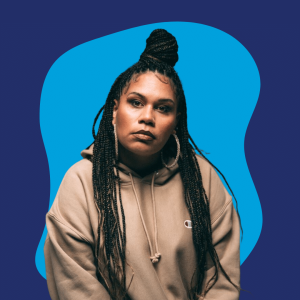 Barkaa, a proud Barkindji woman and rising star in the Australian music scene, has lived through addiction, incarceration and immense hardship. As a teenager and young adult, she experienced cycles of trauma, substance use, and time in juvenile detention. After giving birth to her first child while incarcerated, Barkaa began to reimagine her future.
Her journey toward recovery was shaped by motherhood, connection to culture, and creative expression. Embracing her identity as a First Nations woman became central to her healing. Through music, she found a way to process pain and reclaim power. Barkaa has said that rapping gave her a sense of purpose, helping her break free from patterns that once seemed inescapable.
Now celebrated as one of Australia’s most influential hip hop artists, Barkaa uses her voice to speak truth to power. She is also a passionate advocate for prison reform, youth justice, and First Nations empowerment.
Simon Fenech
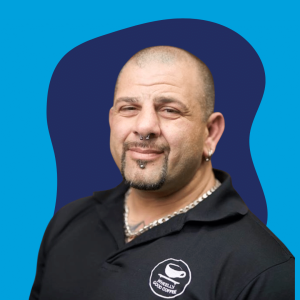 Simon Fenech was a two-time Australian Kickboxing Champion and South Pacific Champion, a picture of physical strength. But after a serious workplace accident left him with a spinal injury and chronic pain, his life took a different path. When medical treatments failed, a friend introduced him to Ice.
What followed was years of addiction, criminal activity, and prison. But eventually, Simon found a way forward. He entered recovery and began using his lived experience to help others. Today, he works in rehabilitation and reintegration, supporting people who are facing the same challenges he once did.
Emily Weir
 Actress Emily Weir, best known for her role on Home and Away, has spoken candidly about her experience with alcohol addiction. She has shared that, while her life may have looked bright and successful from the outside, inside she was struggling. Alcohol became a way to numb feelings of anxiety and self-doubt.
Eventually, she made the brave decision to stop drinking and seek support. In interviews, she’s talked about how sobriety has helped her reconnect with her passion, her mental health, and her sense of self.
Emily’s honesty helps break down the stigma that still surrounds addiction, especially for women in the public eye. Her journey is one of self-acceptance and strength.
Geoff Huegill
 Geoff Huegill is one of Australia’s most decorated swimmers. But after retiring from elite sport, he faced deep personal struggles. Geoff turned to drugs and experienced what he later described as his lowest point, including suicidal thoughts and a complete loss of direction.
What followed was a slow, difficult journey of healing. Geoff has shared that asking for help was one of the hardest things he ever did. His story is a powerful reminder that addiction and mental health challenges can affect anyone, and that true strength is found not in avoiding struggle, but in surviving it.
Today, Geoff uses his experience to speak openly about mental health, addiction, and the importance of finding purpose beyond pain.
Osher Günsberg
 For many Australians, Osher Günsberg is a familiar face, the charismatic host of The Bachelor and Australian Idol. But behind the scenes, he was struggling with alcohol, anxiety and depression.
Osher has spoken about how his relationship with alcohol affected his mental health and sense of self. Eventually, he made the decision to stop drinking, a choice he describes as life-changing.
In speaking openly about his recovery, Osher has helped normalise conversations around mental illness and addiction.
At Sir David Martin Foundation, we believe in hope, healing, and second chances. It is important to celebrate and share stories of success, like those above, and begin to reshape some of the stigma associated with substance addiction. Whether a young person is taking their very first steps toward change or working hard to maintain their recovery, they deserve support that sees their potential.