
The Role Of Creativity In Youth Recovery: How Art, Music and Storytelling Help Rebuild Confidence
Recovery isn’t just about overcoming challenges, it’s also about rediscovering self-expression, purpose and confidence. For many young people, creativity offers a bridge between the internal world of emotion and the external world of connection. Through art, music, storytelling and creative therapy, young people in recovery can begin to process their experiences, rebuild trust in themselves, and imagine new futures.
Why Creativity Matters In Recovery
Creative activities have long been recognised as a powerful tool in mental health recovery. The World Health Organization (WHO) notes that participation in the arts supports both prevention and treatment of mental ill-health by reducing stress, building self-esteem and enhancing social connection (Fancourt & Finn, 2019. Art and music therapy are especially effective for young people who may struggle to communicate verbally or who are processing trauma.
According to Beyond Blue, creative expression can help reframe difficult experiences, regulate emotions and strengthen feelings of identity which are all essential in recovery and personal growth. Creative practices like painting, journalling, drumming or songwriting can also spark moments of joy and achievement, reminding young people that they are more than their challenges.
How Creative Expression Supports Healing
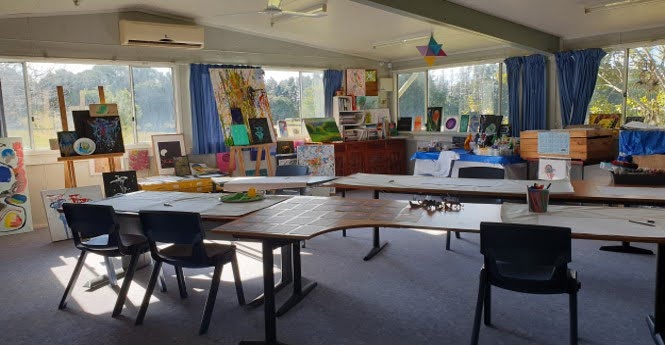
At the heart of creative therapy is the process of expression without judgment. Whether it’s through brushstrokes, rhythm or storytelling, young people are given a safe space to explore emotions that may be hard to put into words. For some, it’s a way to confront past pain; for others, it’s a path toward hope.
Creative outlets also nurture agency and self-confidence, which are vital ingredients in long-term recovery. When a young person completes a song, paints a mural, or performs a story they’ve written, they experience a tangible sense of achievement. These moments rebuild belief in their ability to create change, both in their art and in their lives.
Importantly, creativity fosters connection. Sharing art with peers or mentors encourages empathy and trust, reminding young people that they are not alone in their journey. Group art or music sessions often become safe spaces of shared experience, laughter and belonging, which are key components of sustained recovery.
Creativity In Action At Triple Care Farm
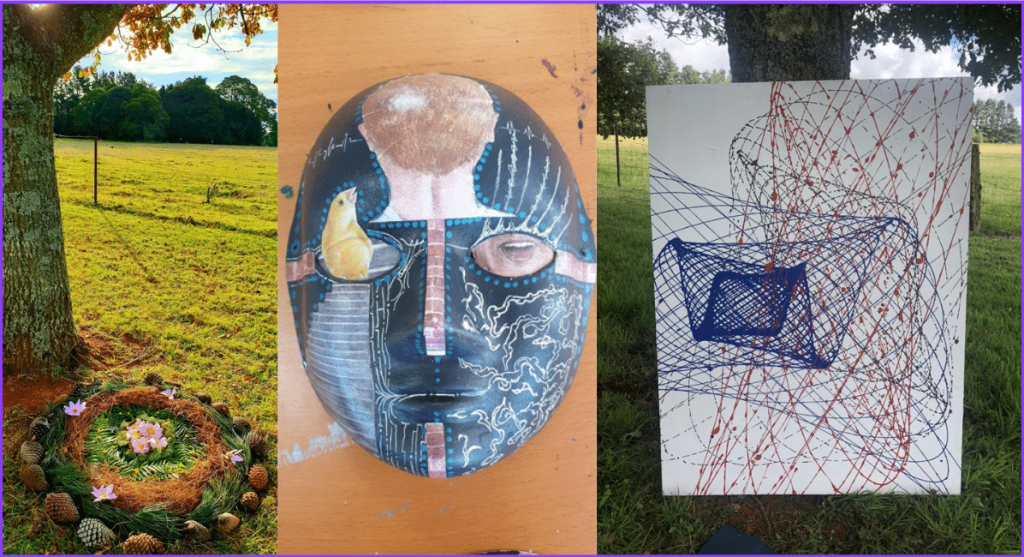
Programs like Mission Australia’s Triple Care Farm recognise that healing is not only clinical but also creative. Young people are encouraged to explore self-expression through art, music, storytelling and community projects. These activities complement evidence-based treatments and help participants rediscover a sense of identity, purpose and joy.
Through Aftercare – an evidence-based six-month wraparound support program – young people continue to receive guidance as they transition safely back into the community. Aftercare Workers like Brad from Mission Australia’s Drug and Alcohol Youth Service describe the program simply:
“Aftercare can help by guiding young people in the right direction, seeing them out in the community, keeping them on track and letting them know they’re not alone.”
This ongoing support ensures that creativity and confidence built during treatment continue to thrive beyond the program.
From Aftercare to the Youth Network
The Youth Network is an expansion of the existing Aftercare program, ensuring this vital six-month wraparound support is available at more youth residential rehabilitation sites across Australia. Rather than being a separate service, the Youth Network extends the Aftercare model to additional locations so more young people can access consistent, evidence-based support after completing residential treatment.
Delivered by our service partners Mission Australia, the expanded Aftercare program now supports young people aged 12–24 in:
- Triple Care Farm (Robertson), Southern Highlands, NSW
- Triple Care Farm (Walawaani), Batemans Bay, NSW
- Mac River Residential Rehabilitation Centre, Dubbo, NSW
- Drug and Alcohol Youth Service (DAYS), Perth, WA
Since launching in early 2023, the Youth Network has more than doubled the number of young people receiving Aftercare, strengthened pathways to housing, education and employment, and is continuing to demonstrate real and lasting change. An independent evaluator is working across all sites to assess long-term impact and efficacy.
Building Confidence Through Creative Connection
Recovery doesn’t end when treatment does. It continues in every song written, every canvas painted, every story told. Creativity helps young people rebuild their confidence, reconnect with community, and rediscover hope.
Accessing evidence-based, nonjudgmental support through the programs we fund – including Triple Care Farm and Aftercare – helps young people rebuild their lives and re-engage with education, employment and community.
If you’d like to learn more about our programs or how you can help make a difference, please contact us.
Can AI Support Real Connection In Youth Mental Health Care — Or Is Empathy Still A Human Strength?
Artificial intelligence (AI) has rapidly entered the spaces where young people seek connection, comfort, and care. AI companions – apps that simulate friendship or counselling through chat – are marketed as supportive and non-judgemental. For some, they can feel like a safe space to talk. But experts are increasingly asking: when it comes to mental health and emotional recovery, can technology truly replace the human touch?
How Young People Are Turning To AI For Comfort
Recent findings from Common Sense Media’s 2025 Talk, Trust and Trade-Offs report show that 72% of teens have used an AI companion, and one in three have done so for emotional or social reasons. Around a third of those surveyed said they had chosen to confide in an AI rather than a human about something serious in their lives. The study also found that AI companions are often used to cope with loneliness, anxiety, or boredom, offering young people instant responses that can feel personal and understanding.
These tools are designed to mimic empathy, including remembering details, responding in reassuring tones, and even mirroring users’ emotions. Yet, as the report notes, most teens do not fully understand how these systems work or how their data is used, making them vulnerable to manipulation or harm. The blurred line between artificial companionship and real emotional connection raises complex questions for mental health professionals, parents, and educators alike.
What Psychologists Are Warning
In its Health Advisory on Artificial Intelligence and Adolescent Well-being (2025) the American Psychological Association (APA) urges caution, noting that AI’s ability to mimic empathy “does not equate to genuine human understanding or compassion.” Adolescents are still developing cognitive control, emotional regulation, and social reasoning – all of which are essential to interpret and form healthy relationships.
The APA highlights the risk that young people may misinterpret machine responses as authentic care, or replace real-world interactions with artificial ones, leading to further isolation. While some AI tools may support health literacy or provide basic psychoeducation, the APA stresses that AI systems cannot yet replicate the nuanced, responsive empathy central to therapeutic relationships.
These concerns echo findings in the Science News report As Teens in Crisis Turn to AI Chatbots (2025), which summarised peer-reviewed studies published in JAMA Network Open and the AAAI Conference on AI, Ethics, and Society. Researchers found that some chatbots offered inappropriate or harmful advice to simulated teens in distress, including responses that trivialised self-harm or, in one extreme case, encouraged suicide. The studies conclude that unsupervised AI tools can amplify risk, particularly for adolescents already experiencing psychological distress.
When Connection Becomes Confusion
AI’s emotional realism can be both comforting and confusing. The APA’s broader work on social media and adolescent development shows why. During adolescence, typically from ages 10 to 25, the brain undergoes rapid changes that increase sensitivity to social feedback and reduce impulse control. This makes young people especially drawn to technologies that provide instant validation and interaction.
AI companions, like social media platforms, are designed to reward engagement through personalised feedback loops. As a result, frequent users may experience overstimulation of the brain’s reward pathways, leading to dependency, disrupted sleep, and emotional dysregulation, similar to patterns seen in problematic social media use.
The Australian eSafety Commissioner’s 2025 advisory, “AI Chatbots and Companions: Risks to Children and Young People,” underscores how these risks manifest locally. By early 2025, there were more than 100 AI companion apps available to Australian users, many marketed as “friends” or “emotional partners.” Some, however, facilitated sexually explicit or harmful conversations, lacked age verification, and actively encouraged ongoing interaction.
According to eSafety, young users are particularly at risk of exposure to dangerous content, dependency, and confusion about healthy relationships. The advisory links high-frequency use of unsafe chatbots to instances of self-harm and emphasises that “AI companions can distort reality and normalise unsafe or exploitative behaviours.”
Using AI Chatbots Safely: Key Recommendations
Research shows that there are a number of mental health chatbots that can offer helpful self-care support when they are evidence based and designed responsibly. A systematic review of 11 anxiety and depression chatbot apps found that these tools can provide accessible psychoeducation and CBT-informed strategies, but only when used to complement, rather than replace, professional care.
Here are some simple, practical guidelines.
- Choose evidence-based tools
Look for chatbots created by trusted health organisations with clinical oversight. The Alcohol and Drug Foundation’s Drug Info Bot (DIB) is a strong example. It uses AI to deliver anonymous, evidence-based information drawn directly from ADF’s content, without simulating relationships or giving therapeutic advice. - Use AI for information, not diagnosis
AI chatbots can offer basic mental health literacy or self-care tips, but they should never be relied on for diagnosing, treating or managing crisis situations. Encourage young people to view them as informational tools only. - Protect privacy
Before using any chatbot, check how data is stored and used. Young people should avoid sharing personal details, names, addresses or sensitive information. If privacy information is unclear, it is safer to avoid discussing mental health concerns in that chatbot. - Sense check advice with real people
AI can get things wrong. Encourage young people to talk to a trusted adult, health professional or support worker if something they read feels confusing, concerning or emotionally upsetting. Direct them to evidence-based resources, including our resources page. - Keep human relationships at the centre
AI can support access to information, but it cannot replicate empathy, trust or therapeutic judgement. Ongoing, human support remains essential for young people rebuilding their lives.
Empathy Remains A Human Strength
At the heart of every recovery journey is a human connection. Technology may offer convenience, but healing happens in relationships built on trust, compassion, and understanding. For young people navigating mental health challenges, the presence of a caring adult, mentor, or peer remains the most powerful protective factor.
This is what programs like Mission Australia’s Triple Care Farm demonstrate every day. There, connection and compassion are not coded—they are lived. Support workers, clinicians, and mentors provide young people with the space to rebuild trust, rediscover self-worth, and learn resilience in a safe, therapeutic community.
Finding Support and Starting Conversations
If you or someone you know is struggling, help is available 24/7 through trusted services:
- Kids Helpline: 1800 55 1800 – free, confidential online and phone counselling for young people aged 5–25.
- Headspace: 1800 650 890 – youth mental health and wellbeing support.
- Lifeline: 13 11 14 – crisis support and suicide prevention.
- Beyond Blue: 1300 22 4636 – mental health information and counselling.
Parents, carers and educators can also visit the eSafety Commissioner’s website for advice on AI companions and online safety.
Navigating the Festive Season: Supporting Young People’s Mental Health In The Lead-up To The Holidays
The holiday season often brings joy, celebration and a break from routine. For young people navigating mental health challenges, however, the period leading up to holidays can also bring pressure, loneliness, relationship strain and heightened expectations. With thoughts of connection, family, downtime and celebration swirling, it’s an ideal time to reflect on how we can support youth resilience and wellbeing.
Why the Holidays Can Be Tricky
In Australia, many young people report mixed feelings as the festive period approaches. For instance, the headspace National Youth Mental Health Survey found that nearly two-thirds of young people say they feel lonely or left out, and for some, the approach of holidays magnifies those feelings.
Family and friends are frequently cited as major protective factors (41 % of family members surveyed pointed to friends, 39 % to family in supporting young people’s mental health, which means strained family relationships or limited peer connection can increase vulnerability.
Furthermore, national data show that psychological distress among young Australians remains high: the Australian Institute of Health and Welfare reports that adolescents and young adults continue to experience elevated levels of poor mental health and that positive mental health (“flourishing”) is declining in recent years.
Principles for Supporting Young People During the Festive Lead-up
- Start conversations early and keep them open
Encourage young people to talk about what the holidays mean for them — what they hope for, what worries them, and how things might feel different this year. It is advised to discuss topics like money, alcohol, relationship dynamics or travel ahead of time helps set clearer expectations and reduces anxiety. - Rebuild routine and structure
Holidays often disrupt the rhythms of school, work or social life. Where possible, keeping some semblance of routine (sleep hygiene, exercise, social connection) helps anchor wellbeing. Studies on holiday programs suggest structured activities in breaks can youth mental health support, social and emotional outcomes. - Prioritise connection but recognise boundaries
Positive relationships with family and friends are protective, but when relationships are strained they can also become stressors. It’s helpful to identify safe, supportive people young people can turn to. The holiday season offers opportunities for meaningful connection — but it’s equally important to recognise when someone might feel excluded, overwhelmed or reluctant. - Encourage alternative ways to engage
Not every young person will welcome large gatherings or festive bustle. Some may prefer smaller, quieter ways to connect — like a walk, a coffee catch-up, creative activity, or time with a trusted mentor. Encouraging self-care, mindfulness or gentle social interaction can make a difference. - Equip young people with realistic expectations and coping strategies
The expectation that the holiday will be “perfect” often fuels disappointment. Young people benefit from guidance around budgeting, safe behaviours, realistic social media use, setting boundaries, and recognising when things might not drop into place as expected.
How Our Funded Youth Alcohol and Drug Treatment Programs Play A Role
Through the Foundation’s support of Mission Australia’s Triple Care Farm and other youth programs, young people can access evidence-based, nonjudgmental support to rebuild their lives and re-engage with education, employment and community.
These programs create environments where young people feel connected, safe and supported during vulnerable times like the festive season, or leaving residential rehabilitation. By providing this tailored youth-centred care — alongside local youth services, counselling lines and peer supports – we can ensure help is there when it’s needed most.
What Young People, Carers and Professionals Can Do Right Now
- Young people: Reach out to someone you trust and talk about how you’re feeling about the holidays – the good and the tricky. If you’re unsure what you want to do during the break, try making a flexible plan with some balance: connection, rest, fun and a little structure. You can also explore helpful tools and information on our resources page for guidance and support.
- Parents, carers, mentors: Ask what your young person is thinking about the holidays, what they might look forward to, and what they might worry about. Together you might set boundaries (social media, screen time, alcohol) and identify supportive plans (friend meet-ups, creative projects, quiet time).
- Educators and youth workers: Use the build-up to the holiday break as an opportunity for check-ins: how are young people feeling about the next few weeks, what supports could help them, what might trigger anxiety or loneliness? Encourage link-ups to youth programs, peer activities and community-based supports.
- Community and service providers: Consider targeted outreach in the holiday lead-up period, when the protective structures of school or regular routine may weaken. Flexible sessions, informal catch-ups, and peer-led activities can make a difference.
Creating A Safe and Supportive Holiday Period
The festive season offers a chance for joy, reconnection and hope. But for many young people, it also brings loads of pressure and expectation. By starting early, keeping conversations open, linking supports and recognising that not every young person will navigate this time in the same way, we can help ensure the holidays become part of a supportive wellbeing journey — not a source of added risk.
As we support youth through this time, our funded programs make the difference: helping young people rebuild their lives, reconnect with community, and step into the new year with renewed hope and purpose.
How Can We Help Young People Develop the Skills to Thrive Beyond Adversity
Every young person will face challenges in life, some small and others that can shake their sense of self and hope for the future. From mental health struggles and family conflict to the pressure of school, social media and uncertainty about employment, it’s no surprise that many young Australians are finding it difficult to cope.
According to Mission Australia’s Youth Survey 2024, 23% of young people identified mental health as one of the most important issues in Australia today. This concern reflects not only the growing prevalence of mental distress among youth but also their awareness of the need for stronger emotional and practical support. Adversity is not rare, and learning to navigate it is more important than ever.
So how can we help young people not only recover from hardship but develop the skills to thrive beyond it?
Thriving Means More Than Surviving
Thriving isn’t just about “bouncing back.” It’s about learning, adapting and growing even when circumstances are difficult. For young people, thriving means having the confidence to make decisions, the ability to regulate emotions, and the skills to build healthy, supportive relationships.
These capabilities aren’t innate. They are developed through experience, support and the belief that change is possible. When young people are given opportunities to build resilience, they gain strength and self-worth, which becomes the foundation of long-term wellbeing.
Chloe’s Story: Building Confidence and Self-belief
Chloe’s story is a powerful example of how support and perseverance can change a young life. After completing Mission Australia’s Triple Care Farm program, supported by Sir David Martin Foundation, Chloe returned home, found work, and began studying through TAFE.
Now drug-free, she’s topping her classes and feeling stronger than ever. “I feel like I can do anything I put my mind to,” she says – a testament to what’s possible when young people are given the skills and encouragement to thrive.
Five Key Skills That Help Young People Thrive
- Self-awareness
Understanding emotions and recognising personal triggers are the first steps toward change. When young people can identify what influences their thoughts and behaviour, they gain the power to make conscious choices. - Emotional regulation
Learning how to manage stress and anxiety in healthy ways, such as mindfulness, exercise or journaling, gives young people lifelong tools to cope with pressure. - Problem-solving and planning
Encouraging practical goal-setting helps turn challenges into opportunities for growth. Whether it’s applying for a course, finding work or rebuilding relationships, small and consistent steps build confidence. - Communication and connection
Thriving depends on the ability to ask for help and share honestly. Building strong support networks with peers, mentors, and professionals gives young people a safety net when life feels overwhelming. - Purpose and persistence
Finding meaning through study, volunteering, creativity or helping others strengthens motivation and self-belief. Purpose gives direction even in uncertain times.
How Families and Communities Can Nurture These Skills
Everyday actions can make a lasting impact. Parents, teachers and mentors play a crucial role in showing young people that mistakes are part of learning and that effort matters more than perfection.
- Encourage decision-making by involving them in setting goals and making plans.
- Praise effort, not just success, because it builds confidence and resilience.
- Talk about setbacks as opportunities to learn rather than failures.
- Model healthy coping by sharing your own strategies for stress and problem-solving.
- Celebrate small wins to help them see their progress and build momentum.
When adults lead with encouragement instead of criticism, young people are more likely to take risks, stay motivated and develop a growth mindset.
Frequently Asked Questions
What are life skills and why do they matter?
Life skills are the practical and emotional abilities that help people navigate daily challenges, from managing emotions to solving problems and building relationships. They are essential for long-term wellbeing and independence.
How do life skills support addiction recovery?
Recovery is not only about abstaining from substances. It is about learning how to cope with stress, build confidence and make positive decisions. Programs that teach life skills give young people the tools to sustain recovery.
How can families support resilience at home?
Encourage open communication, provide structure, and remind young people that they are valued and capable. Simple acts of belief and support can make a lasting difference.
Helping Young People Thrive Beyond Adversity
Every young person deserves the chance to build a life filled with purpose, connection and hope. With the right guidance and support, challenges can become stepping stones rather than barriers.
Through the programs funded by Sir David Martin Foundation, young Australians receive the support they need to develop the confidence and skills to build brighter futures. If you’d like to learn more or get involved, visit our resources page or contact us. Together, we can help young people turn adversity into opportunity and thrive in life beyond crisis.
Breaking the stigma: encouraging open conversations about youth addiction
Addiction remains one of the most stigmatised health issues in Australia. Despite increasing awareness of mental health, many young people facing alcohol or other drug challenges still experience shame, misunderstanding, and social isolation. According to the Australian Institute of Health and Welfare, approximately 350,000 young people in Australia, aged 16-24, are estimated to have a substance use disorder. Unfortunately for these young people, stigma and fear of judgment are often the greatest barriers to asking for help.
Breaking the stigma starts with honest, open, and compassionate conversation. Every time a family member, friend, teacher, or community leader talks about addiction without blame, young people see that recovery is possible and that they are not alone.
Ten ways to help break the stigma
- Listen before you speak.
Create a safe space where young people can talk freely about their experiences. Listening without interruption or criticism shows respect and builds trust, the first step toward open dialogue. - Use language that heals, not harms.
Words like “addict” carry stigma and can make someone feel defined by their condition. Instead, use person-first language such as “a young person experiencing addiction” or “someone seeking recovery.” - Focus on behaviours, not blame.
Addiction is not a moral failing but a complex health issue that often involves trauma, anxiety, or depression. Recognising this helps move the conversation from judgement to understanding. - Educate yourself using credible sources.
Misconceptions fuel stigma. Learn about the science of addiction and recovery from reliable organisations such as the Alcohol and Drug Foundation (ADF). - Have small, ongoing conversations.
One big “talk” can be overwhelming. Instead, engage in regular, informal chats during a walk, after dinner, or on the way to school. Frequent, calm discussions normalise the topic and show young people they can come to you anytime. - Acknowledge family history without shame.
If substance use has affected your family, speak about it honestly and factually. Understanding genetic or environmental risks helps young people make informed choices and reinforces that addiction is a health issue, not a weakness. - Use teachable moments.
When news stories, films, or influential public figures share their experiences with addiction and recovery, use them as gentle openings to talk about real-life impacts, choices, and support. These spontaneous conversations can have lasting influence. - Promote healthy coping strategies.
Encourage young people to manage stress through exercise, creativity, or mindfulness rather than substances. Building resilience and emotional regulation skills provides lifelong protection. - Model openness and compassion.
Be honest about your own experiences, if appropriate, and show that talking about struggles is normal. When adults speak openly about mental health and stress, young people learn that vulnerability is a strength. - Know where to find help.
Encourage professional support through Headspace, a GP, or by exploring our helpful resources provided.
How Sir David Martin Foundation helps reduce stigma
For 35 years, Sir David Martin Foundation has worked to ensure young Australians in crisis receive care grounded in respect and compassion. Accessing evidence-based, nonjudgmental support through the programs we fund, like Mission Australia’s Triple Care Farm, helps young people rebuild their lives and re-engage with education, employment, and community.
By promoting understanding and advocating for addiction as a health and social issue, not a moral one, the Foundation continues to challenge the stigma surrounding youth addiction, one story, one conversation, and one young life at a time.
Frequently asked questions
What is addiction stigma?
Stigma refers to the negative attitudes and stereotypes that label people with addiction as weak or irresponsible. This judgment can discourage young people from seeking help or speaking openly about their struggles.
Why do young people hide substance use problems?
Many fear disappointing their families, being treated differently, or facing legal and social consequences. Shame and misunderstanding can make them feel isolated, even when they want help.
How can open conversations reduce stigma?
When families, schools, and communities talk about addiction as a health condition, it normalises help-seeking and replaces fear with empathy. Open conversations can also highlight the many pathways to recovery.
Together, we can change the conversation
Breaking the stigma around youth addiction starts with kindness. When we choose understanding over judgement, we give young people the confidence to seek help and the hope to believe in recovery.
Your reassurance and presence can make seeking help feel less overwhelming. If you’d like to learn more about how the Foundation supports young Australians in crisis, please contact us. Our team is here to help.JTNDc3R5bGUlM0UlMEEub3ZhbCUyMCU3QiUwQWRpc3BsYXklM0Fub25lJTIxaW1wb3J0YW50JTNCJTBBJTdEJTBBJTNDJTJGc3R5bGUlM0U=
Supporting Young Minds Through Connection and Compassion During Mental Health Month
Every October, Mental Health Month reminds us that mental well-being is not only about treatment or diagnosis but also about connection, compassion and understanding. For young Australians, these qualities can mean the difference between feeling alone and finding hope.
Understanding the Challenges Young People Face
Mental health issues often begin early in life. According to the Australian Institute of Health and Welfare (AIHW), around one in five young people aged 11–17 experience high or very high levels of psychological distress, and three in four mental illnesses develop before the age of 25. For many, these challenges are compounded by trauma, family breakdown, or substance use, underscoring the importance of early and compassionate intervention.
At Sir David Martin Foundation, we see first-hand how mental health challenges and addiction are deeply intertwined. Many young people who seek help through Triple Care Farm have underlying anxiety, depression or post-traumatic stress that drive substance use as a form of coping. Supporting mental health is, therefore, an essential part of breaking the cycle of addiction.
The Importance of Compassion and Connection
When young people feel seen, supported and understood, healing can begin. Compassionate communication from family members, teachers, friends or community mentors can create safe spaces for young people to express what they are going through. This sense of connection helps reduce shame and stigma, which are major barriers to seeking help.
Resilience grows through relationships and consistent emotional support. Building emotional resilience in youth begins with small acts of care, like a teacher noticing a student’s withdrawal, a counsellor who listens without judgment, or a family that offers encouragement and stability. Each compassionate interaction strengthens a young person’s ability to recover and adapt when facing challenges.
The Role of Peers in Promoting Recovery
Peer connection is another powerful tool for mental health. Young people often open up more easily to others who share similar experiences.
The power of peer support in recovery for teens and young adults shows how connection with others who have faced similar challenges can foster belonging, trust and accountability. For many, this sense of community becomes a cornerstone of long-term mental well-being.
Connection and Compassion in Action
Sir David Martin Foundation is a major funder of Mission Australia’s Triple Care Farm, where connection and compassion are built into every stage of recovery. Triple Care Farm provides young Australians aged 16 to 24 with a safe place to get well, rebuild trust, and rediscover a sense of purpose. Through a combination of counselling, education, vocational training and life skills, young people learn that they are not defined by their struggles, but by their courage to keep trying.
For many, recovery is about more than leaving substances behind; it’s about reconnecting with themselves and the world around them. Graduates often speak about the value of being heard, of having someone believe in them, and of finding a community that offers support without judgment. These experiences can be transformative, especially for young people who have felt unseen or misunderstood for much of their lives.
Tips for Supporting a Young Person Who May Be Struggling
Supporting someone through mental health challenges doesn’t require special training – it starts with genuine care and awareness. Here are some simple ways to help:
- Listen without judgment. Give space for them to talk openly, even if you don’t have all the answers.
- Notice Changes. Withdrawal, irritability, or loss of interest can signal that something deeper is happening.
- Encourage Professional Help. Suggest youth-specific services such as Headspace, a GP, or explore our resources for trusted mental health and addiction support. Offer to be present if they’re nervous about reaching out.
- Be Consistent. Regular check-ins – a message, a walk, a chat – remind them they’re not alone.
- Educate Yourself. Learning about youth mental health and addiction can make your support more understanding and effective.
- Look After Yourself too. Supporting someone can be emotional; take care of your own mental health and seek help when needed.
Small gestures of care can create big shifts in a young person’s outlook. Often, it’s not about fixing things, it’s about showing up.
How You Can Make A Difference
Mental Health Month is a time to reflect on how compassion shapes our communities. You don’t have to be a professional to make an impact. Small, genuine actions such as listening to a friend, checking in on a young person, or showing patience when someone is struggling – can remind others that they are not alone.
Supporting organisations like Sir David Martin Foundation ensures more young Australians can access programs that meet both their mental health and recovery needs. Together, we can create a future where every young person feels safe, supported and hopeful.
If you or someone you know is aged 12–25 and needs support, contact Headspace at 1800 650 890 or visit headspace.org.au. To help fund programs that give young people a second chance, please consider donating to Sir David Martin Foundation and be part of a community that changes lives through compassion.
How Communities Can Work Together to Reduce Teenage Drug Misuse
Adolescence is a time of discovery, but it’s also when many young people may experiment with alcohol or other drugs. Without guidance and support, this experimentation can turn into harmful patterns that put health, relationships, and education at risk. Addressing teenage drug misuse is not the responsibility of one group alone; it takes families, schools, community organisations, and support services working together.
The Role of Families
Families are often the first line of defence. By building strong, open relationships and keeping communication honest, parents and caregivers can create an environment where young people feel safe discussing difficult issues. Signs of teenage drug misuse can sometimes be subtle – changes in mood, behaviour, or social groups – but recognising them early can prevent escalation.
Schools as Safe Spaces
Schools play a key role in prevention and early intervention. Teachers and counsellors are often the first to notice when a student is struggling. By promoting wellbeing programs, drug education, and access to trusted services, schools can equip young people with the knowledge and resilience they need. Partnerships between schools and youth support organisations can also make it easier for students to seek help confidentially.
Community organisations and services
Local community groups and youth organisations are vital in addressing teenage drug misuse. They provide safe activities, mentoring, and pathways to support for young people who might otherwise feel isolated.
Sir David Martin Foundation funds Mission Australia’s Triple Care Farm, a youth-specific program that includes Withdrawal, Rehabilitation, and Aftercare. While these programs provide professional help for those already struggling, community awareness and involvement can help reduce the number of young people reaching crisis in the first place.
Working Together for Better Outcomes
When families, schools, and community organisations collaborate, they create a stronger safety net. This means:
- Early awareness: conversations that start before problems escalate.
- Stronger connections: young people knowing they have adults and peers who care.
- Clear pathways: access to professional services like Withdrawal, Rehabilitation, and Aftercare.
How You Can Help in Your Community
Reducing teenage drug misuse is everyone’s responsibility. Simple steps can make a difference:
- Support local youth programs.
- Encourage schools to promote drug and alcohol education.
- Share resources such as the youth support services page.
- Donate to ensure more young people can access specialised care when they need it most.
You can also use our conversation starter toolkit to help begin meaningful discussions about alcohol and drug use.
FAQs
How can communities help reduce teenage drug misuse?
By working together through schools, families, and local organisations, communities can provide education, safe activities, and pathways to professional support.
What are some early signs of teenage drug misuse?
Changes in mood, behaviour, or social circles, withdrawal from family, and a sudden drop in school performance can all be indicators.
Why are youth-specific services important?
Young people need age-appropriate support that considers their stage of development, mental health needs, and education or employment goals.
Where can teenagers or families find support?
Sir David Martin Foundation provides access to youth-specific programs like Triple Care Farm, as well as a list of resources and helplines.
Conclusion: A Community Effort
Teenage drug misuse does not happen in isolation, and neither should the response. By working together, families, schools, and communities can reduce risks, provide safe alternatives, and connect young people with the support they need. Collective action gives vulnerable young Australians the best chance to grow up with safety, hope, and opportunity.
Are you or someone you know aged 16–24 and facing challenges with drugs or alcohol? Apply to the Triple Care Farm program or call the National Alcohol & Other Drug Hotline on 1800 250 015. You can also get in touch to donate today to help young Australians access vital support.
Why Youth Crisis Support Services Are Vital for Today’s Generation
Young people today are navigating a world filled with challenges. From mental health struggles and unstable housing to the pressures of school, work, and social expectations, it is no surprise that many feel overwhelmed. For some, this pressure leads to experimenting with drugs or alcohol, while for others it results in mental health crises that feel impossible to face alone.
This is where youth crisis support services play a vital role. They provide safe spaces, professional care, and hope for vulnerable young Australians who need immediate help and ongoing support.
What Makes Youth-specific Services Different?
Many crisis services are designed for adults, but the needs of a 17-year-old in crisis are very different to those of a 40-year-old. Youth-specific services recognise these differences. They provide:
- Safe, age-appropriate environments where young people feel understood rather than judged.
- Holistic care that supports mental health, substance use, education, housing, and relationships.
- Ongoing guidance so young people are not left on their own once a program ends.
At Sir David Martin Foundation, these principles underpin the programs we fund, like Triple Care Farm. The three stages of care – Withdrawal, Rehabilitation, and Aftercare – give young people the chance to recover and build a new life.
Real Stories, Real Change
The impact of youth crisis support services can be seen most clearly in the journeys of young people themselves.
- Sam arrived at Triple Care Farm after years of spiralling substance use and a diagnosis of schizophrenia. At just 19, she was in acute psychosis and at risk of losing her life. Through intensive counselling, medical support, and Aftercare, Sam found stability, completed multiple qualifications in youth work and mental health, and today works full-time helping others.
- Tyson, a 20-year-old Aboriginal man, turned to Triple Care Farm after repeated run-ins with the law and a long history of alcohol abuse. Embarrassed to be seeking help again, he persevered through Withdrawal and Rehabilitation, with staff supporting him to plan a transfer into another program better suited for long-term recovery. With ongoing Aftercare, Tyson has been able to stay safe, engaged, and on the path to change.
- Hugo struggled with depression and crippling anxiety that led him to self-medicate with drugs. An attempt at an adult detox facility failed, leaving him unsupported and at risk of relapse. At Triple Care Farm, Hugo found age-appropriate care that addressed both his addiction and mental health. With his counsellor’s guidance and the promise of Aftercare, Hugo finally feels clear-minded and hopeful about his future.
- Mandy had long struggled with cannabis use and family conflict. After entering the Withdrawal unit and engaging with an Aftercare worker, she built better relationships with her parents, gained employment in childcare, and is now studying towards further qualifications.
These stories remind us that behind every service is a young person who needed someone to believe in them. With the right care, they not only recover but also rediscover purpose and belonging.
Why Ongoing Care Matters
Support cannot stop once a crisis ends. This is why the Aftercare program and the Youth Network are so critical. Through these initiatives, young people receive up to six months of dedicated guidance as they return to the community. This support helps them maintain stability, reconnect with family, and pursue education or work opportunities.
The Youth Network has already expanded Aftercare across four locations, Robertson, Batemans Bay, Dubbo, and Perth, increasing the number of young people supported. It ensures more young Australians receive the long-term help they need to thrive.
How You Can Help
Demand for youth crisis support services is high, and too many young people are still waiting for the care they need. By supporting Sir David Martin Foundation, you are helping to fund programs that give vulnerable young Australians safety, hope, and opportunity.
Conclusion: Standing With Young People in Crisis
Today’s generation should not have to face a crisis alone. Youth crisis support services provide the right care at the right time, giving young people a safe place to turn when life feels overwhelming. Through compassionate programs, skilled staff, and ongoing support, these services break the cycle of crisis and open the door to brighter futures.
If you or someone you know is aged 16–24 and in need of help, apply to the program or visit our resources page for support services and helplines. To make a lasting difference, please donate today.JTNDc3R5bGUlM0UlMEEub3ZhbCUyMCU3QiUwQWRpc3BsYXklM0Fub25lJTIxaW1wb3J0YW50JTNCJTBBJTdEJTBBJTNDJTJGc3R5bGUlM0U=
Drug and Alcohol Education for Youth: Why Early Awareness Matters
Young Australians face many pressures during adolescence, from peer influence to mental health challenges. This is also the stage when experimentation with alcohol or drugs often begins. By focusing on education and awareness early, we can help young people understand the risks before harmful patterns develop.
The Importance of Early Awareness
Early education about alcohol and drugs is more than sharing facts; it is about giving young people:
- Knowledge of risks: Understanding how substances affect their health, safety, and future.
- Confidence to say no: Equipping them to handle peer pressure.
- Awareness of support: Knowing where to find help if they or their friends are struggling.
When awareness starts early, young people are less likely to reach crisis points – resources like the Get Comfortable conversation starter toolkit can help
What Happens Without Early Education?
Sir David Martin Foundation sees the impact of late intervention every day. Many young people arrive at Triple Care Farm having disengaged from school, lost safe housing, or struggled with their mental health. Without awareness and support at an earlier stage, these challenges can grow until recovery requires intensive programs.
Education and Support Work Together
While prevention is the first step, some young people will still need more help. This is why youth-specific programs like Withdrawal, Rehabilitation, and Aftercare exist – to provide safety, hope, and opportunity when awareness alone has not been enough.
The outcomes show what is possible with the right education and support:
- 67% reduction in chronic drug use
- 83% decrease in suicide attempts
- 96% of young people in stable housing
- 68% engaged in education or employment
Role of Families and Communities
Families and schools play a crucial part in ensuring early awareness is effective. By talking openly about drugs and alcohol, recognising signs of distress, and encouraging safe, healthy choices, they strengthen prevention. Communities can also guide young people towards trusted resources, where they can find support services, helplines, and practical information about alcohol, drugs, and mental health.
FAQs
Why does early drug and alcohol education matter for young people?
Because adolescence is when experimentation often begins, early education reduces risks and helps young people make informed decisions.
What age should drug and alcohol education begin?
Early adolescence, before regular exposure to substances, is the best time to start awareness conversations.
Where can young Australians get help if education is not enough?
Sir David Martin Foundation funds Mission Australia’s Triple Care Farm, which provides withdrawal, rehabilitation, and aftercare for 16–24 year olds.
How can I support recovery?
By donating, you help fund youth-specific education and treatment programs that give young people safety, hope, and opportunity.
Conclusion: Prevention First, Support Always
Drug and alcohol education matters because it reaches young people at the right time – before habits and harms take hold. By prioritising awareness early and offering treatment when needed, we give vulnerable young Australians the best chance at a brighter future.
If you or someone you know is aged 16–24 and struggling, apply to the program, and if you need urgent help, call emergency services on 000 or the National Alcohol & Other Drug Hotline on 1800 250 0